
 EN
EN VI
VI IT
IT ES
ES TH
TH PT
PT LV
LV NL
NL RU
RU FR
FR DE
DE AR
AR UZ
UZ


What SUV Features Matter Most for African Roads?
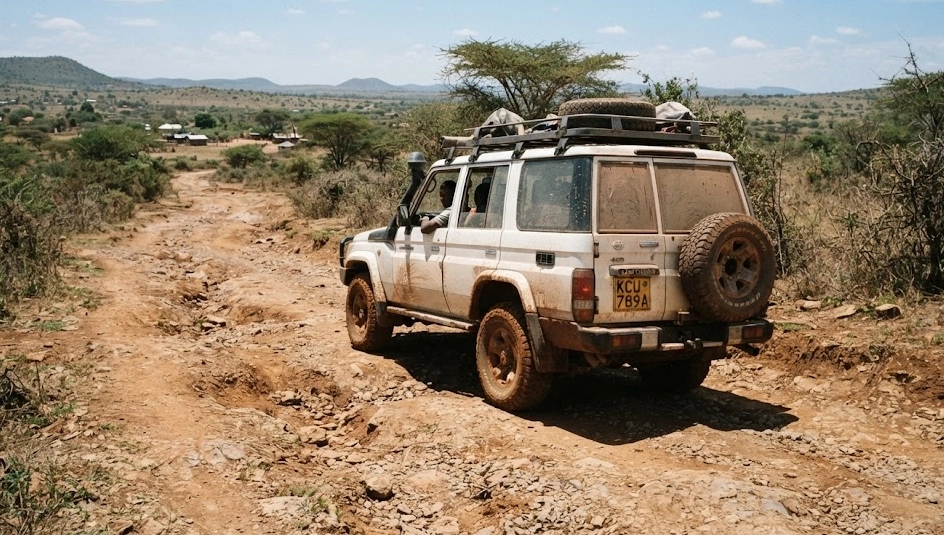
Choosing an SUV for an African market is not simply a matter of finding the newest model, the largest engine, or the lowest purchase price. African markets include major cities with well-paved highways, rural areas with gravel roads, regions with seasonal flooding, long-distance routes, and areas where professional repair services may be less accessible.
For this reason, the right SUV needs to be selected according to the actual driving environment, operating costs, local infrastructure and long-term service requirements.
This is particularly important as more Chinese SUVs enter international markets. Buyers now have access to a wider range of models, including gasoline SUVs, hybrids, plug-in hybrids and electric vehicles. Moluoni, as a China-based vehicle export supplier, works with overseas buyers sourcing different types of vehicles, making market-specific vehicle selection an increasingly important part of the export process.
1. Ground Clearance Is Important, but It Is Not Everything
Ground clearance is one of the first specifications African SUV buyers should examine.
A vehicle with insufficient clearance may have difficulty dealing with potholes, uneven roads, gravel surfaces, deep drainage channels or rough rural roads. However, simply choosing the SUV with the highest ground clearance is not necessarily the correct solution.
Buyers should also consider:
Approach and departure angles
Suspension travel
Tire sidewall height
Vehicle weight
Wheel size
Underbody protection
Overall vehicle dimensions
For example, a 20-inch wheel may look attractive and provide good road performance, but a smaller wheel with a taller tire sidewall may sometimes be more practical on rough roads because it provides additional cushioning and reduces the risk of tire or wheel damage.
This is why SUV selection should focus on the complete chassis and tire package rather than one specification.
2. 4WD Should Match the Actual Road Conditions
Four-wheel drive is another important consideration, but it should not automatically be treated as a requirement for every African buyer.
A buyer who mainly drives within a major city may have little need for a sophisticated 4WD system. On the other hand, vehicles operating on loose gravel, sand, steep roads or poorly maintained rural routes may benefit from additional traction.
The important question is therefore not:
“Does this SUV have 4WD?”
It is:
“Where will this SUV actually be driven?”
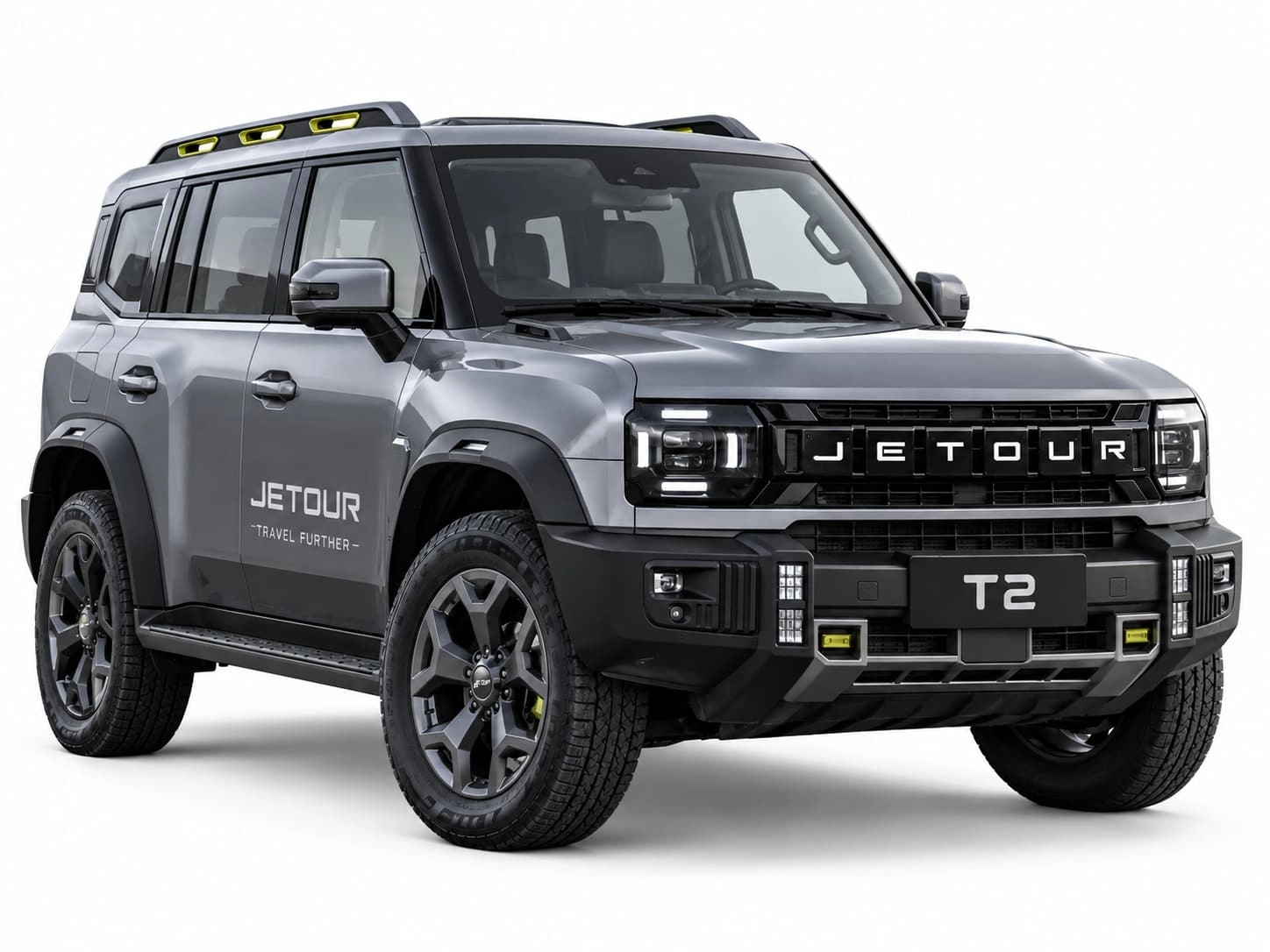
For mixed urban and outdoor use, a vehicle such as the Jetour T2 can be relevant because selected configurations combine a turbocharged engine, relatively high ground clearance and 4WD capability. Moluoni's current information lists the T2 with a 2.0L turbocharged engine producing up to 390 N·m of torque, while specifications can vary according to market and trim.
For exporters, confirming the exact drivetrain before shipment is essential because the same model name can represent different configurations in different markets.
3. Engine Performance Should Be Considered Together With Fuel Availability
Engine power is often used as a simple way to compare SUVs, but African buyers should look beyond maximum horsepower.
For long-distance driving, heavy passenger loads, high temperatures, poor road surfaces and highway overtaking, usable torque can be more relevant than a headline power figure.
A turbocharged gasoline engine can provide strong torque without requiring an extremely large displacement. However, the buyer should also consider:
Local fuel quality
Fuel availability
Recommended fuel grade
Maintenance requirements
Cooling-system performance
Availability of filters and replacement parts
This is particularly important for international fleet buyers. A vehicle that performs well on paper can become difficult to operate if its required maintenance parts are difficult to obtain locally.
4. Cooling and Air Conditioning Deserve More Attention
One of the less obvious SUV features that matter in Africa is thermal management.
In hot climates, an SUV may spend long periods operating under high ambient temperatures, heavy traffic and extended highway loads. The air-conditioning system therefore affects not only passenger comfort but also the practical usability of the vehicle.
Buyers should examine:
Engine cooling:
The cooling system needs to manage sustained operating temperatures under local conditions.
Air conditioning:
Strong and stable cabin cooling is particularly important for family vehicles and commercial use.
Battery and electrical systems:
For hybrid and electric vehicles, high-temperature operating conditions can affect energy management and charging performance.
Cabin materials:
Interior materials, window design and insulation can influence how quickly the cabin heats up when parked outdoors.
These factors are often more meaningful to daily users than a long list of electronic features.
5. Interior Space Matters for African Family and Commercial Use
SUVs in many African markets are used for more than commuting.
A vehicle may serve as a family car during the week, a long-distance travel vehicle at weekends, or even a business vehicle for moving people and equipment.
A practical SUV should therefore provide sufficient:
Rear-seat legroom
Luggage space
Door opening space
Cabin storage
Seating flexibility
Passenger comfort
This is one reason mid-size SUVs have attracted attention in international markets. They can provide a compromise between urban maneuverability and long-distance practicality.
The Jetour T2, for example, has a 2,800 mm wheelbase and a five-seat layout, making it an example of the type of SUV that combines family-oriented space with a more rugged exterior design.
6. Why Chinese SUVs Are Getting More Attention
China's automotive export industry has changed significantly. International buyers now have access to a much broader selection of SUVs and NEVs than several years ago.
The growing export market includes traditional gasoline vehicles, hybrids, plug-in hybrids and pure EVs. At the same time, African buyers are increasingly able to compare different vehicle architectures rather than relying only on a small number of established international brands.
For exporters, however, this wider choice creates another problem: too many models can make the purchasing decision more complicated.
The solution is not simply to offer more vehicles. It is to match the vehicle with the destination market.
An SUV for an urban buyer in Johannesburg should not necessarily be specified in the same way as an SUV for a buyer operating between rural communities, construction sites and regional highways.
Moluoni and China SUV Export for African Markets
For overseas buyers, sourcing a vehicle from China involves more than finding a model at an attractive price. The exact configuration, model year, vehicle condition, export documents, shipping arrangements and destination-country requirements all need to be considered.
Moluoni provides access to a range of Chinese vehicles, including SUVs, passenger cars, NEVs and other vehicle categories, supporting international buyers with vehicle sourcing and export arrangements. Its current content also emphasizes the importance of checking the destination-market specification rather than assuming that every version of a model is identical.
For a Jetour T2, for example, buyers should confirm the actual engine, transmission, drivetrain, safety equipment and other configuration details before placing an export order. The company's recent market-focused content similarly emphasizes checking local specifications, spare parts, warranty arrangements and destination-country requirements before purchasing.
Final Thoughts
Choosing an SUV for African markets requires a broader view than simply comparing engine power, ground clearance or vehicle price. Road conditions, climate, fuel availability, driving habits, maintenance resources and long-term operating costs can all influence whether a vehicle is truly suitable for its destination market.
As the range of Chinese vehicles available for export continues to grow, buyers have more choices but also more factors to consider. The right SUV is ultimately the one that matches the local road environment and can be supported throughout its service life.
For buyers considering a Jetour T2, other Jetour SUVs, traditional gasoline vehicles or new-energy models, understanding these practical factors can make vehicle selection more efficient and help ensure that the chosen vehicle delivers value beyond the initial purchase.