
 EN
EN VI
VI IT
IT ES
ES TH
TH PT
PT LV
LV NL
NL RU
RU FR
FR DE
DE AR
AR UZ
UZ


How to Deal with Fogging In Insulating Glass
Glass comes in many types and offers excellent performance, making it suitable for homes, commercial buildings, hotels, office buildings, and many other applications. As a result, it has become one of the most widely used materials in the construction industry. When selecting glass, we should pay attention not only to price but also to the performance of different types of glass and choose the products that truly meet the needs of our projects.
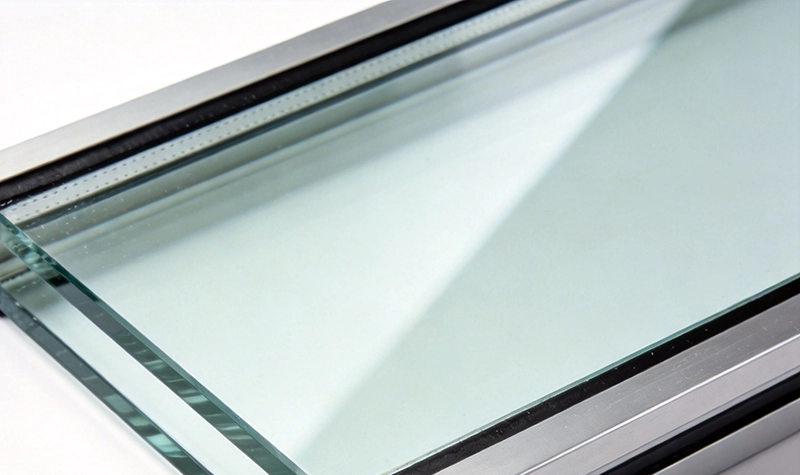
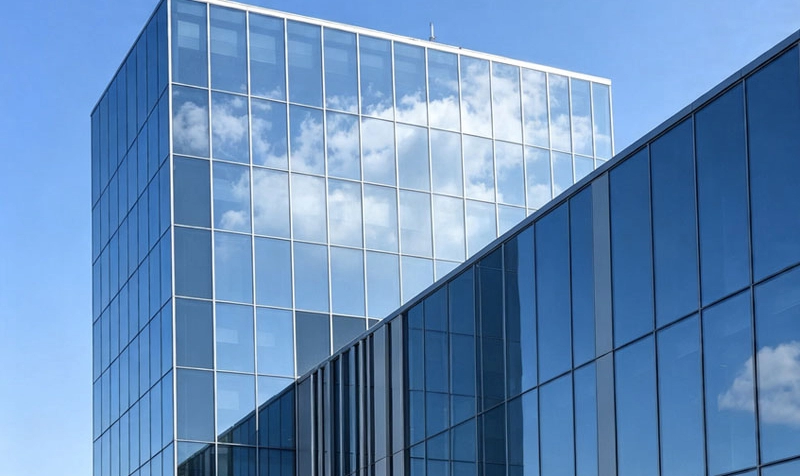
Among them, insulated glass has become the standard choice for modern doors and windows because of its excellent thermal insulation, sound insulation, and energy-saving performance. It not only improves indoor comfort but also effectively reduces building energy consumption and structural loads. However, many users find that fog appears inside the cavity of insulated glass during use, affecting both visibility and appearance. So, what causes fogging inside double-glazed windows, and how can it be solved?
As a professional building materials supplier, Moluoni Group has always focused on the architectural glass industry. We provide a wide range of building glass products and deep-processing services, including insulated glass, tempered glass, laminated glass, Low-E energy-saving glass, ceramic fritted glass, ultra-clear glass, and curved tempered glass. We also offer customized services such as glass cutting, edge grinding, drilling, silk-screen printing, sandblasting, coating, hot bending, and insulated glass assembly, providing one-stop glass solutions for construction projects worldwide.
What Should You Do If the Inside of Insulated Glass Becomes Foggy?
The following methods can help solve fogging in double-glazed windows:
1. Poor sealant performance
If the fogging is caused by damaged or poorly sealed sealant, first remove the old sealant with suitable tools and thoroughly clean the glass. After the glass is completely dry, apply new sealant and reseal the window.
2. Improper installation of the drainage slot
If the drainage slot of the double-glazed window is installed incorrectly, the window should be removed and installed again correctly.
3. Incorrect installation of the spacer bar
If the spacer bar is not installed properly, glass pads can be added, and the original spacer bar should be removed and reinstalled. During installation, keep a certain distance between the spacer bar and the glass edge, usually about 2 mm. At the same time, avoid exposing the spacer bar to moisture, as this may affect the installation quality and sealing performance.
4. Large temperature differences between indoors and outdoors
If the fog is caused by a significant temperature difference, you can open the windows slightly to improve ventilation and gradually reduce the temperature difference. The fog on the glass will disappear naturally.
Why Is There Moisture Inside Double-Glazed Glass
Moisture inside double-glazed glass is usually caused by cracked sealant, which allows water vapor from outside to enter the insulated cavity. However, water inside the glass is not always caused by sealant failure. It may also occur because no drainage slot was provided during installation or because the drainage slot is blocked, preventing accumulated water from draining away in time.
If the water level is already higher than the lower frame profile, another possible reason is leakage from the upper part of the window. Rainwater may flow along the frame and enter the glass cavity, although this situation is relatively uncommon.
Regardless of the cause, the insulated glass unit usually needs to be disassembled and remanufactured. In most cases, contacting the original installer is the easiest solution. Even if you need to pay for the repair yourself, there is usually no need to replace the entire piece of glass. The damaged insulated section can simply be repaired or remade according to the actual condition.
Basic Knowledge About Insulated Glass
Water Trough
A water trough is an experimental device used to collect gases by water displacement or to hold a large amount of water. It generally cannot be heated directly. A typical application is collecting oxygen produced by the catalytic decomposition of hydrogen peroxide.
Profiles
A profile, also called a section bar, refers to products made from materials such as iron, steel, plastics, aluminum, or fiberglass that have certain strength and toughness and are processed by rolling, extrusion, casting, or other manufacturing methods. These products have specific cross-sectional shapes. Profiles produced by extrusion are generally divided into hollow profiles and solid profiles.
Glass
Glass is an amorphous inorganic non-metallic material. It is usually made from inorganic minerals such as quartz sand, borax, boric acid, barite, barium carbonate, limestone, feldspar, and soda ash, together with a small amount of auxiliary materials. Its main component is silicon dioxide and other oxides.
The chemical composition of ordinary glass mainly includes Na₂SiO₃, CaSiO₃, SiO₂, or Na₂O·CaO·6SiO₂. In essence, it is a silicate compound with an irregular internal structure and belongs to amorphous solids. Because of its excellent light transmission and wind-blocking properties, glass is widely used in the construction industry.
In addition, colored glass can be produced by adding certain metal oxides or salts, while functional glass such as tempered glass can be made through physical or chemical treatments. Some transparent plastic materials, such as polymethyl methacrylate (PMMA), are also called organic glass.
Fogging inside insulated glass may seem like a minor problem, but it often indicates whether the product quality, sealing process, and installation details meet the required standards. Choosing high-quality insulated glass and a professional supplier can not only reduce problems such as fogging and water leakage but also effectively extend the service life of doors and windows.
Moluoni Group specializes in the development and supply of architectural glass products. We provide insulated glass, Low-E energy-saving glass, tempered glass, laminated glass, and many other products, as well as deep-processing services including cutting, edge grinding, drilling, coating, hot bending, and insulated glass assembly. Whether for residential buildings, commercial projects, or large-scale construction projects, we are committed to providing stable and reliable architectural glass solutions that combine aesthetics, energy efficiency, and long-term value.