
 EN
 VI
 IT
 ES
 TH
 PT
 LV
 NL
 RU
 FR
 DE
 AR
 UZ



How Is Flat Glass Made? Float Glass vs. Rolled Glass
Glass is one of the most important materials in modern construction. It is widely used in windows, doors, curtain walls, partitions, railings, and many decorative applications. However, before glass becomes a finished product, it starts as a basic material known as flat glass.
But how is flat glass produced? What is the difference between float glass and rolled glass? Understanding these manufacturing processes can help architects, builders, contractors, and buyers choose the right glass for different projects.
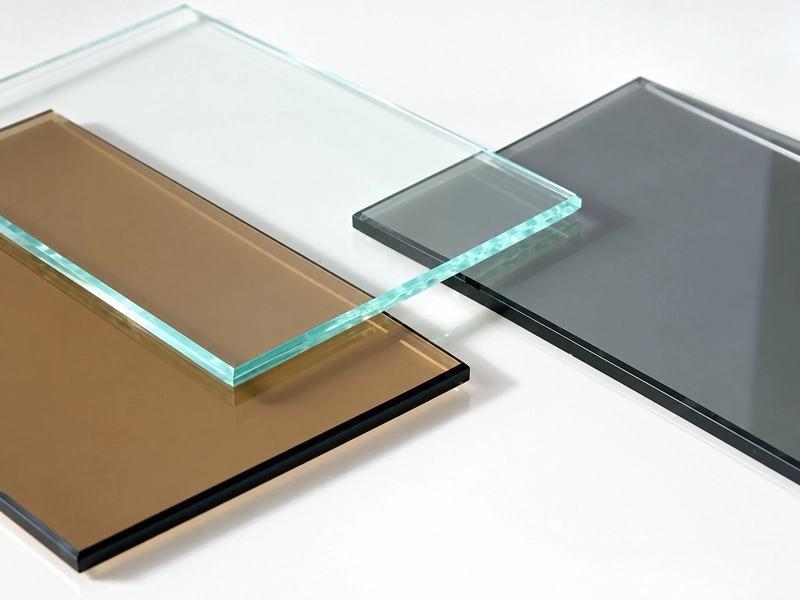
What Is Flat Glass
Flat glass refers to sheet glass produced in a flat form and used as the base material for further processing. It is the starting point for many products, including:
● Tempered glass
● Laminated glass
● Insulated glass units (IGU)
● Low-E glass
● Decorative glass
● Solar glass
Most architectural glass products used in buildings today are processed from flat glass.
There are several methods for manufacturing flat glass, including:
● Float process
● Rolled (patterned) process
● Overflow down-draw process
● Drawn glass process
Among these methods, the float process is the most widely used, accounting for the majority of global flat glass production. The traditional drawn glass method has gradually disappeared because of its lower optical quality.
How Is Float Glass Made?
Float glass is the standard glass used in most architectural applications. The process was developed to produce glass with smooth surfaces and uniform thickness.
Step 1: Raw Materials Preparation
The main raw materials include:
● Silica sand
● Soda ash
● Limestone
● Feldspar
● Dolomite
These materials are carefully mixed to achieve the required glass composition.
Step 2: Melting
The raw materials are heated in a furnace at temperatures above 1,500°C until they become molten glass.
Step 3: Floating on Molten Tin
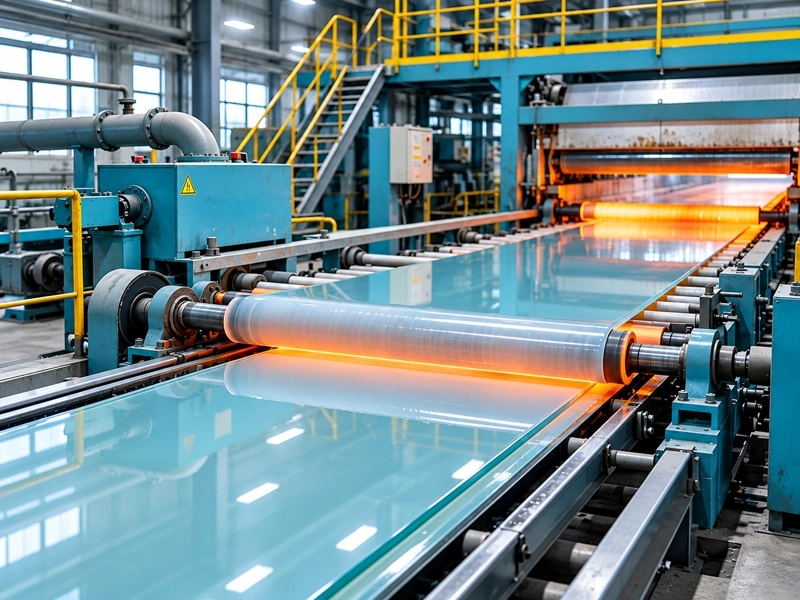
The molten glass flows continuously into a tin bath filled with liquid tin.
Since tin is denser than glass, the glass floats on the surface. Gravity and surface tension allow the molten glass to spread naturally, creating a smooth and flat glass ribbon.
This unique process gives float glass its excellent surface quality.
Step 4: Cooling and Annealing
The glass ribbon gradually cools as it moves forward. It then enters an annealing lehr, where internal stresses are removed through controlled cooling.
Step 5: Cutting
After inspection, the continuous glass ribbon is cut into large sheets for storage, transportation, or further processing.
Characteristics of Float Glass
Float glass offers several advantages:
● Excellent flatness
● Smooth surfaces
● Uniform thickness
● Good optical quality
● Suitable for coating and tempering
Because of these characteristics, float glass is widely used in:
● Building windows
● Curtain walls
● Glass doors
● Insulating glass
● Low-E glass
● Interior partitions
Most modern architectural glass products are based on float glass.
How Is Rolled Glass Made
Rolled glass, also called patterned glass, is produced using a different manufacturing process.
Molten glass passes between two rotating metal rollers. The rollers press the glass into a sheet while controlling its thickness and surface pattern.
Depending on the roller design, different products can be created.
For example:
● Patterned glass
● Textured glass
● Wired glass
● Solar photovoltaic glass
Metal wire mesh can also be embedded during production to create wired glass products.
Characteristics of Rolled Glass
Compared with float glass, rolled glass has different features:
● Can produce decorative patterns
● Textured surfaces improve privacy
● Can incorporate wire mesh
● Suitable for special applications
Limitations:
● Lower surface flatness
● Possible roller marks
● Not ideal for high-performance coatings
● Lower optical quality compared with float glass
Therefore, rolled glass is more commonly used for decorative or specialty applications rather than high-end curtain wall systems.
Float Glass vs. Rolled Glass
Feature | Float Glass | Rolled Glass |
Manufacturing Method | Floats on molten tin | Pressed by rollers |
Surface Quality | Very smooth | Textured or patterned |
Thickness Uniformity | High | Moderate |
Optical Performance | Excellent | Lower |
Decorative Patterns | Limited | Excellent |
Typical Uses | Windows, curtain walls, doors | Decorative glass, patterned glass, solar glass |
Which Type of Glass Is Better
There is no single answer. The right choice depends on the application.
For projects requiring high transparency, excellent flatness, and modern architectural appearance, float glass is generally preferred.
For decorative applications, privacy solutions, or special functions, rolled glass can provide more design possibilities.
Understanding the manufacturing process helps project owners, architects, and buyers make better decisions when selecting glass products.
From Flat Glass to Architectural Glass Solutions
Flat glass is only the beginning of the process.
Through further processing such as tempering, laminating, insulating, coating, and CNC fabrication, flat glass can become high-performance products used in:
● Curtain walls
● Doors and windows
● Office partitions
● Railings
● Skylights
● Facades
At Moluoni, we provide a range of architectural glass solutions for commercial and residential projects, helping customers select suitable glass products according to project requirements.
Choosing the right glass starts with understanding how glass is made.