
 EN
EN VI
VI IT
IT ES
ES TH
TH PT
PT LV
LV NL
NL RU
RU FR
FR DE
DE AR
AR UZ
UZ


Auto Exporter vs. Car Dealer: What Should Buyers Choose?
For individual car buyers, choosing between a dealer and an exporter may seem straightforward. For international B2B buyers, however, the decision is much more complicated. Importers, dealerships, fleet operators, distributors, and regional automotive businesses need to consider not only the vehicle price, but also sourcing efficiency, export documentation, logistics, market specifications, payment terms, and long-term supply stability.
This is why the question “Auto Exporter vs. Car Dealer: What Should Buyers Choose?” deserves a supply-chain perspective rather than a simple price comparison.
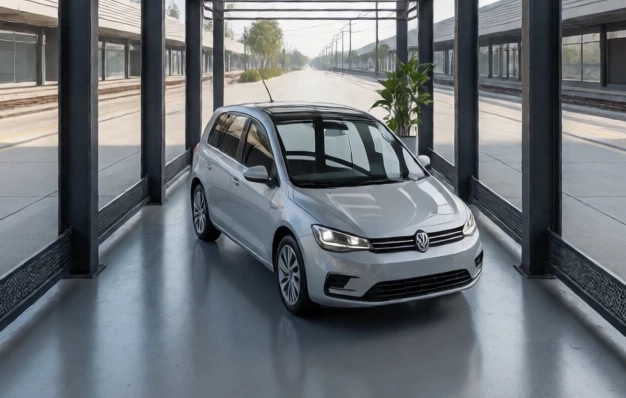
The Real Difference Is the Business Model
A car dealer normally focuses on selling vehicles within a specific market. Its inventory, pricing, after-sales services, and vehicle configurations are often designed around local customers.
An auto exporter, by comparison, is built around cross-border vehicle transactions. The supplier needs to coordinate vehicle sourcing, export procedures, documentation, transportation, customs requirements, and international delivery.
For a buyer importing vehicles into another country, this difference can be significant. A lower vehicle price does not necessarily mean a lower total procurement cost if the buyer still has to arrange multiple suppliers for inspection, export documentation, shipping, and logistics.
Why Buyers Often Need an Auto Exporter
International vehicle purchasing is rarely a one-car transaction. A dealer may need several models, different configurations, or repeated shipments throughout the year.
This creates several practical requirements.
First, vehicle sourcing capability matters. A reliable China auto exporter should be able to identify suitable vehicles based on the buyer's target market, budget, specifications, and quantity rather than simply selling whatever happens to be in stock.
Second, export coordination becomes important. Vehicle procurement involves more than purchasing the car. Export documentation, customs procedures, shipping arrangements, and delivery schedules all influence the final landed cost.
Third, communication efficiency matters when purchasing internationally. Buyers need clear quotations, accurate vehicle specifications, order updates, and documentation before committing significant capital.
These are some of the reasons global automotive businesses increasingly evaluate exporters based on their entire supply-chain capability rather than the advertised vehicle price alone. Current automotive export businesses commonly position sourcing, documentation, logistics, and dealer partnerships as parts of a complete export service.
Price Is Important — But Landed Cost Matters More
One of the most common mistakes in international vehicle sourcing is comparing only the supplier's quotation.
A better approach is to calculate the total landed cost.
This can include:
Vehicle Price + Export Costs + Inspection + Inland Transportation + Port Charges + Freight + Insurance + Import Duties + Local Compliance Costs
The exact structure depends on the destination country and transaction terms.
For this reason, a competitive China auto export supplier should provide enough information for the buyer to understand the complete purchasing process. A slightly higher vehicle quotation may ultimately be more attractive if it comes with better sourcing, documentation, logistics coordination, and fewer unexpected costs.
Vehicle Selection Must Match the Target Market
Another major advantage of working with an experienced auto exporter is market-oriented sourcing.
A vehicle that sells well in one country may not be suitable for another. Buyers need to consider factors such as driving side, vehicle configuration, fuel type, EV infrastructure, local regulations, spare-parts availability, consumer preferences, and price positioning.
For example, an importer building a new-energy vehicle portfolio may prioritize EVs and hybrids, while another distributor may require SUVs, sedans, commercial vehicles, or specific configurations for fleet operations.
Therefore, the right auto exporter for buyers should function as more than a seller. It should help connect vehicle availability with the buyer's actual market requirements.
Where Moluoni Fits Into the Purchasing Process
Moluoni positions itself as a cross-border supply-chain provider rather than a single-product automotive retailer. Its business covers new vehicle exports alongside other international trade categories, with services focused on global procurement, logistics, and project support.
For buyers, this broader supply-chain approach can be valuable when vehicle purchasing involves multiple stages and suppliers.
Instead of evaluating an exporter only by the lowest quotation, buyers should examine its ability to coordinate sourcing, international trade procedures, logistics, communication, and ongoing supply requirements.
That becomes especially important when the objective is not one purchase, but a long-term vehicle sourcing relationship.
Auto Exporter or Car Dealer: Which Should You Choose?
The answer depends on your purchasing objective.
If you are buying a vehicle for local use, a traditional dealer may be the more convenient option.
If you are a car importer, dealership, fleet operator, distributor, or wholesale buyer purchasing vehicles across borders, an experienced auto exporter is often the more practical choice.
The strongest purchasing strategy is therefore not simply to ask, “Who has the cheapest car?”
Instead, ask:
Who can provide the right vehicle, at the right total cost, with reliable export coordination and a supply model that can support my business?
For buyers, that is the real difference between buying a vehicle and building a sustainable automotive supply chain.