
 EN
 VI
 IT
 ES
 TH
 PT
 LV
 NL
 RU
 FR
 DE
 AR
 UZ



Can BYD EVs Withstand Extreme Heat in the Middle East?
The Middle East creates one of the harshest operating environments for electric vehicles. Persistently high ambient temperatures, intense ultraviolet sunlight, long highway trips and continuous heavy air-conditioning loads all place extra stress on EV batteries and electrical systems. For importers, dealers and fleet operators sourcing Chinese electric vehicles, one critical question stands out: can BYD EVs deliver stable, reliable performance under these extreme hot-climate conditions?
BYD has invested heavily in battery thermal management systems designed to regulate operating temperatures. Even so, real-world reliability depends heavily on the exact vehicle specification, charging infrastructure, driving patterns and regular maintenance. Understanding these variables helps Middle Eastern buyers select the right BYD EV variants for GCC markets.
1. Battery Thermal Management: Core Protection Against Heat Stress
High heat raises thermal load on lithium-ion battery packs. If a battery runs outside its optimal temperature window, the vehicle’s built-in protection logic may automatically limit charging speed or peak power output to preserve battery health.
BYD integrates battery management and active thermal control across its EV platforms. Its e-Platform 3.0 features an integrated thermal management architecture, built to stabilize battery temperatures across variable operating conditions.
The well-known BYD Blade LFP Battery uses lithium iron phosphate chemistry, which carries inherently better thermal stability compared to high-nickel ternary batteries. That said, no battery chemistry is completely immune to degradation under prolonged extreme heat. Pack cooling layout, cooling loop efficiency, BMS logic and on-site operating conditions collectively decide long-term durability.
For buyers across the Middle East, reviewing the thermal configuration of the specific model is far more valuable than judging performance by battery chemistry alone. Dust accumulation from regional sandstorms is an extra factor: blocked cooling grilles can reduce cooling efficiency over time.
2. How Extreme Heat Impacts BYD EV Real-World Driving Range
Practical driving range remains the top concern for EV users in the UAE, Saudi Arabia, Qatar and Kuwait.
During peak summer months, air conditioning draws significant power, especially after a vehicle has been parked in direct sun. The system consumes extra energy first to bring the overheated cabin down to a comfortable temperature.
Multiple overlapping factors further reduce usable range:
- Sustained high-speed highway cruising increases aerodynamic energy consumption
- Battery active cooling draws auxiliary power in hot surroundings
- Stop-start traffic with the AC running continuously drains the battery
- Heavy passenger and cargo loads add to overall energy demand
Official CLTC range figures are laboratory benchmarks and should not be treated as guaranteed summer range in GCC heat. Fleet operators should calculate daily mileage based on local real-world conditions and reserve sufficient charging buffer.
3. DC Fast Charging Performance Under High Ambient Heat
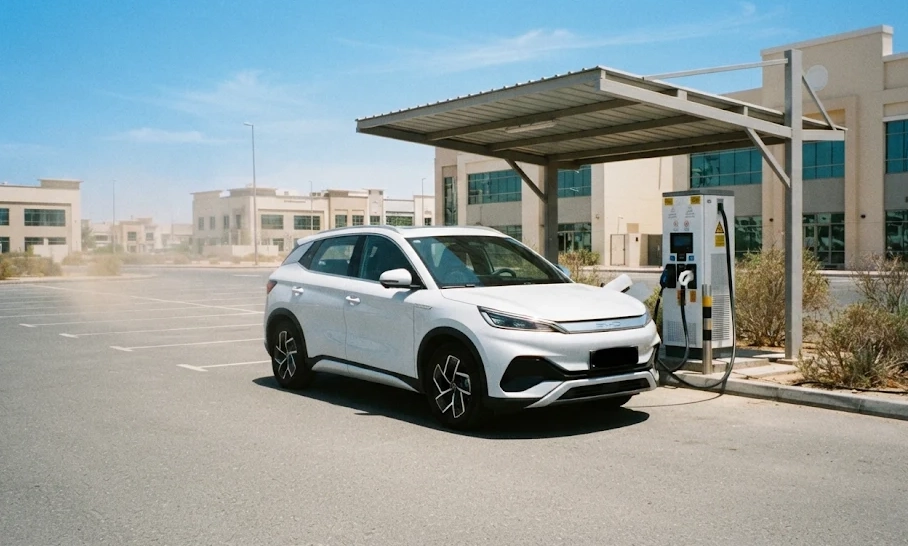
Fast charging is another key evaluation point for Middle East fleets. DC rapid charging itself generates internal battery heat, and hot outdoor air increases the burden on the cooling circuit.
Many modern BYD models support battery pre-conditioning. When activated, the vehicle pre-adjusts battery temperature before plugging in, helping maintain a more stable charging curve. Even with this feature, if battery temperature climbs too high, the BMS will throttle charging power as a protective measure, extending total charging time.
Before importing BYD EVs, buyers must verify supported AC / DC charging standards, peak charging power and compatibility with local GCC charging networks. A high-output charger cannot guarantee the vehicle will sustain its advertised maximum charging rate.
For fleet businesses, matching vehicle specs to existing charging infrastructure is critical to avoid operational bottlenecks.
4. Outdoor Parking & Long-Term Battery Care
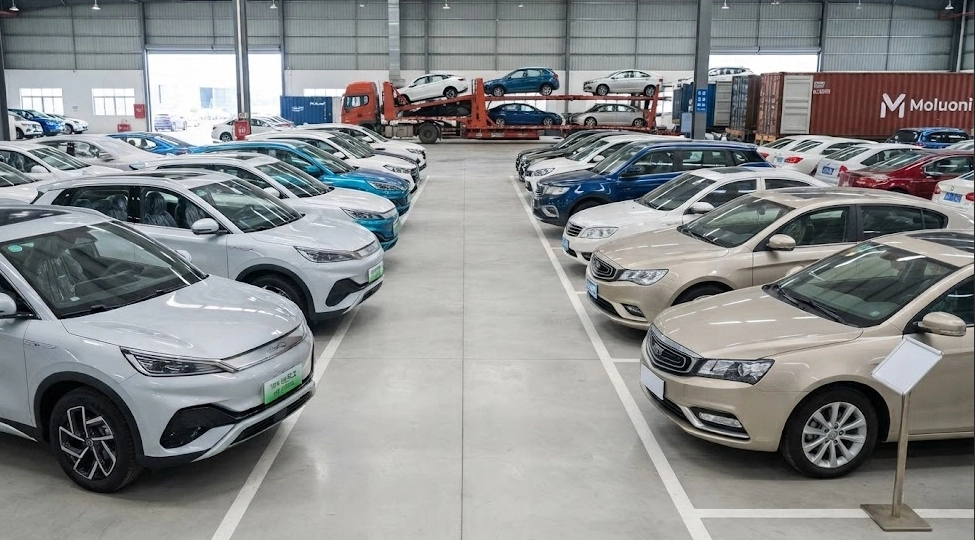
Prolonged outdoor parking under unshaded sunlight is very common across the Middle East. Inventory units held at dealer lots face repeated cyclic thermal stress before delivery to end customers.
Whenever available, shaded or covered parking will reduce cumulative heat exposure. Dealers and fleet managers should follow BYD official guidelines for ideal state-of-charge during static storage, especially for vehicles sitting idle for weeks or months.
Regular checks for cooling-system faults, charging cable condition and dashboard battery alerts help avoid preventable breakdowns. This maintenance routine matters greatly for stock vehicles awaiting sale.
5. Source BYD EVs for Middle East Markets via Moluoni
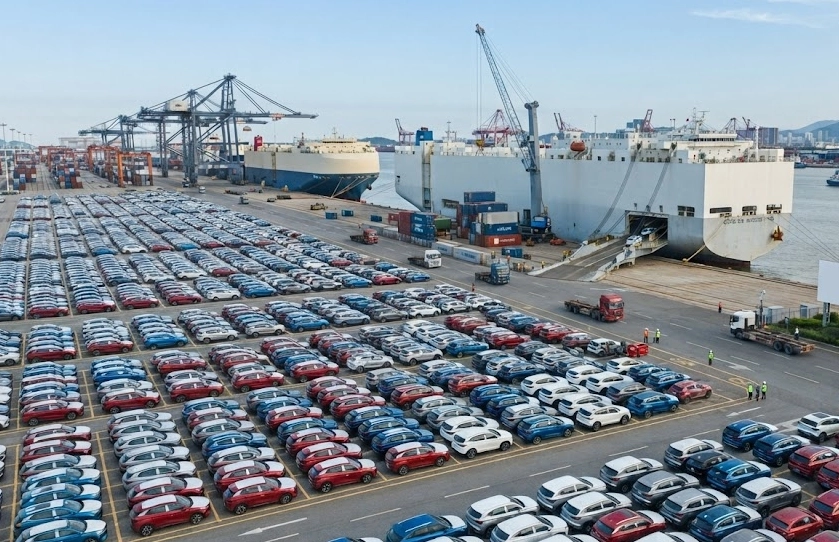
Selecting a heat-suitable EV model is only one stage of the import workflow. GCC importers also need to confirm region-compliant specifications, carry out pre-shipment inspection and prepare full export documentation.
Moluoni offers professional vehicle sourcing and export services for international buyers importing brand-new Chinese EVs. For distributors and fleet operators targeting BYD electric vehicles for the Middle East, Moluoni supports model sourcing, spec verification, pre-shipment quality checks and end-to-end export logistics coordination.
Before confirming orders, buyers should clarify model year, battery pack configuration, charging compatibility and local GCC regulatory requirements. This step lowers the risk of importing vehicles that fail to match regional climate and compliance demands.
Conclusion
BYD EVs are equipped with thermal control technology suited for hot-climate operation, but performance in the Middle East varies by model, thermal package, charging setup and upkeep routines.
Importers and fleet buyers need to assess battery cooling capability, real summer range, fast-charging behavior and regional compliance before placing bulk orders. With careful specification selection and reliable export support from Moluoni, buyers can confidently source BYD electric vehicles from China for Middle Eastern markets.
Get in touch with the Moluoni team to review BYD EV variants suitable for hot climates, confirm specifications and request an export quotation.
FAQ
Q1: Do all BYD EV models work equally well in Middle Eastern extreme heat?
A1: No. Thermal management hardware varies by model and trim. Buyers need to check the cooling system configuration for the exact variant they plan to import.
Q2: Does the Blade Battery degrade faster in GCC summer heat?
A2: LFP Blade Battery has superior thermal stability, but prolonged high-temperature exposure will still accelerate gradual ageing. Proper cooling and maintenance slow this process.
Q3: Can Moluoni help source BYD EVs configured for Middle East markets?
A3: Yes. Moluoni verifies vehicle specs, handles export paperwork and pre-shipment inspection for BYD EV orders bound for GCC countries.