
 EN
 VI
 IT
 ES
 TH
 PT
 LV
 NL
 RU
 FR
 DE
 AR
 UZ



Does a Bigger Jetour SUV Mean More Comfort?
Across African and Middle-East markets, consumers often associate larger-bodied SUVs with superior ride comfort. This widespread perception heavily shapes end-buyer expectations and even guides inventory decisions for dealers and fleet importers stocking the Jetour lineup. However, raw exterior dimensions never guarantee a satisfying cabin and driving experience. Many cross-border purchasers fall into this common pitfall: assuming the largest Jetour variant will automatically deliver stronger market appeal and higher retail conversion rates.
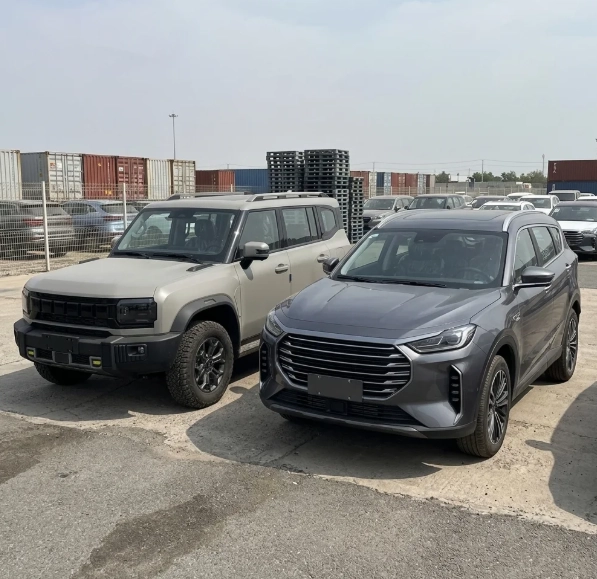
Vehicle Size vs. Actual Cabin Comfort
Exterior measurements serve only as a preliminary reference and cannot fully reflect real interior practicality. Wheelbase layout, seat ergonomic design, usable legroom, headroom and luggage volume collectively define passenger experience.
The Jetour X70 Plus is engineered around family-centric practicality. Selected export trims offer flexible five-seat or seven-seat configurations, allowing distributors to cater to buyers balancing passenger capacity and cargo storage demands. Its well-packaged cabin makes it ideal for household daily commutes and extended family road trips.
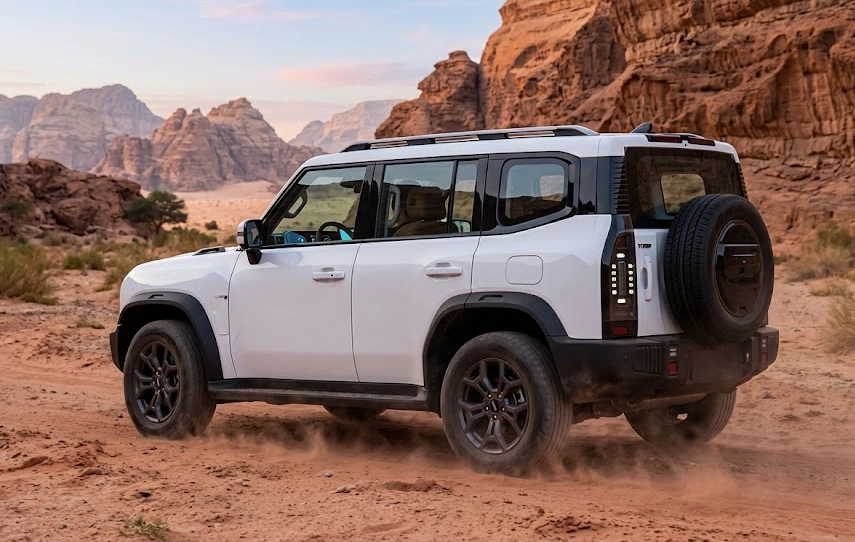
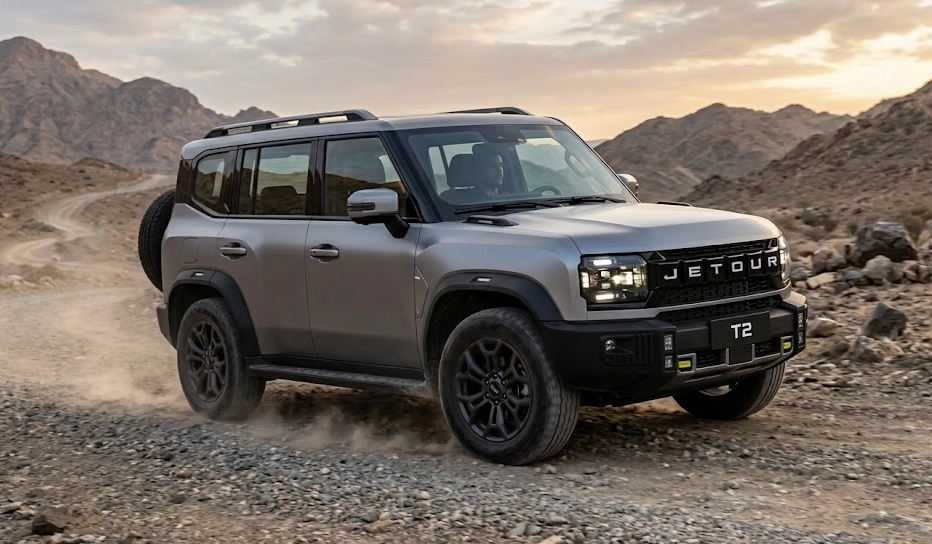
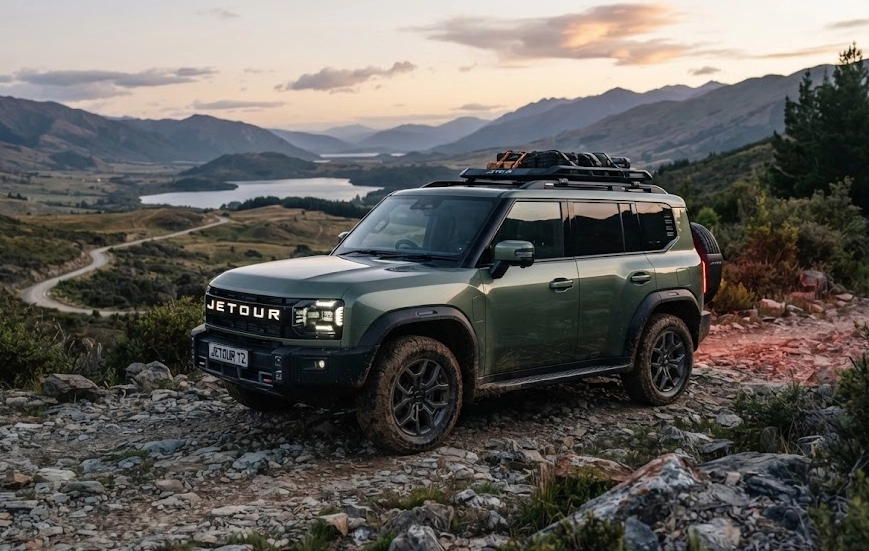
The Jetour T2 adopts an entirely different development philosophy. Its rugged silhouette, generous ground clearance and optional four-wheel-drive system target customers prioritizing all-terrain mobility and outdoor usage. While its cabin space remains functional, its core competitive advantage lies in off-road adaptability rather than pure passenger comfort.
For dealers, distinguishing these inherent product positioning differences is critical when curating stock for segmented customer groups. Buyers should verify the exact destination-market configuration, as seating layouts, interior equipment and safety specifications may vary between model years and export markets. Confirming these details before shipment helps reduce specification mismatches and costly import delays.
Seating Configuration: What Do Family Buyers Really Need?
A seven-seat layout may look attractive for large families, yet the practical usability of the third row deserves rigorous evaluation before placing bulk orders.
End customers will assess third-row legroom, entry accessibility, backrest support and remaining luggage capacity once all seating positions are occupied. For households regularly travelling with a full passenger load, these practical details outweigh overall vehicle length.
On the other hand, buyers who usually carry four to five occupants tend to favour layouts that grant more flexible cargo space and comfortable second-row accommodation.
Therefore, dealers should first clarify whether local demand leans toward extra seating capacity, sustained passenger comfort or cargo utility before finalising which Jetour configurations to import.
Suspension and Road Adaptability: Different Priorities, Different Experiences
Suspension tuning is a decisive factor in ride comfort, especially for markets with poorly maintained roads, frequent speed bumps and high volumes of long-distance highway travel.
The Jetour T2 is optimised for multi-terrain capability. Depending on the selected version, the T2 delivers generous ground clearance, four-wheel-drive capability and multiple driving modes, catering to customers who need reliable mobility far beyond paved urban roads.
By comparison, the X70 Plus focuses more on family transportation, practical cabin space and everyday usability. Its positioning makes it a solid option for buyers who prioritise regular commuting, passenger capacity and family travel.
Still, robust off-road capability does not always equal a harsh ride, just as a family-oriented design is not a guarantee of premium comfort. Real ride quality is shaped by suspension calibration, tyre specifications, payload weight and local road conditions. Importers must assess these combined factors instead of judging comfort purely by vehicle appearance.
Equipment Levels Can Matter More Than Vehicle Size
Even within the same Jetour model series, different export trim packages deliver drastically different passenger experiences.
Subject to market homologation rules and ordered configurations, comfort-focused features may include power-adjustable seats, panoramic sunroofs, upgraded infotainment units, multi-zone automatic climate control and auxiliary parking aids.
For markets with consistently hot climates, buyers often prioritise air-conditioning performance, rear air vents and available seat ventilation. Cabin insulation and interior materials should also be reviewed against the target trim and local operating conditions. Family buyers also value dedicated storage solutions, secure child-seat anchoring and easy-to-clean interior materials.
A large SUV fitted with a base trim package often delivers poorer day-to-day comfort than a smaller, fully equipped variant. This is why importers must review full trim datasheets rather than relying only on model names when placing orders.
When sourcing through Moluoni, overseas buyers can verify confirmed export configurations, steering layout, powertrain choices and colour options before locking in purchasing requirements. Buyers may also request real vehicle photos, walkaround videos and VIN documentation before shipment, to confirm selected units match agreed specifications. Advance verification greatly lowers the risk of configuration mismatches during international vehicle sourcing.
Operating Costs and Local Market Demand
Physical footprint also influences long-term ownership economics. Depending on vehicle weight, engine type, tyre specifications and driving conditions, larger SUVs may carry higher fuel and maintenance expenses. Their bulkier dimensions can also create parking difficulties in densely populated urban areas.
In markets dominated by cost-conscious daily drivers and congested city infrastructure, a moderately sized family SUV often presents a more compelling total-cost proposition.
In contrast, regions with strong demand for big-family transport, cross-country travel or overlanding create solid sales opportunities for larger and more rugged SUV variants.
For dealers, inventory planning must account for local purchasing power, prevailing road quality, fuel accessibility and regional spare-parts availability. Aligning stocked models with genuine local demand helps ease inventory pressure and improves product-market fit.
Final Thoughts: Choose the Right SUV for the Right Market
A bigger Jetour SUV can bring clear benefits in passenger carrying capacity, cabin flexibility and cross-terrain performance, yet these strengths do not automatically translate to superior comfort.
The X70 Plus is best positioned for customers prioritising family mobility and flexible seating. The T2 targets buyers drawn to rugged styling, generous ground clearance and optional four-wheel drive.
For overseas dealers, the most profitable sourcing decision hinges on local customer preferences, road conditions, required factory equipment and total ownership expenditure.
Instead of selecting stock based only on exterior size, importers should compare official export specifications and intended use cases for each Jetour model. With Moluoni’s vehicle sourcing and export support, international buyers can review available Jetour configurations, validate vehicle specs and arrange export documentation and shipping. Destination-specific certification and import regulations must always be confirmed before ordering. Reach out to our team to check real-time stock and tailored quotations for your target market.